

‘Ramayana’ Hindi Cut Is 30 Minutes Longer, So Why Is A Viral Action Scene Missing?
A viral Sita-Lakshman action clip has sparked questions about Ramayana’s different cuts. Here’s what changes between its Hindi and English versions.

IST
Last Updated On
IST
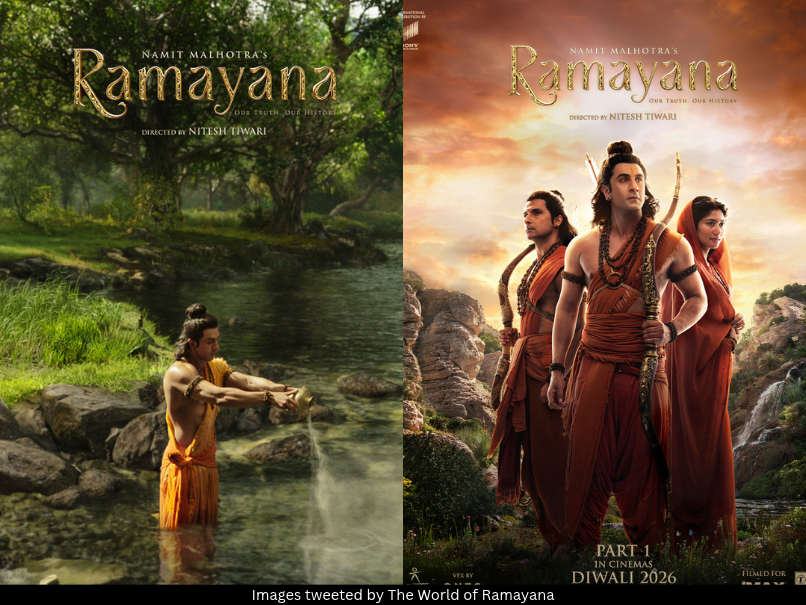
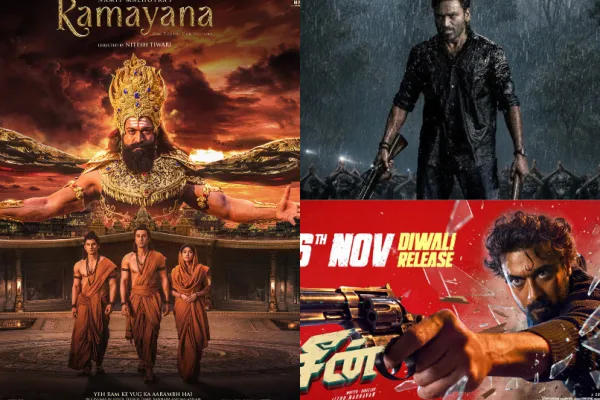
Nitesh Tiwari’s ‘Ramayana’ arrived in theatres on November 5, with Ranbir Kapoor as Rama, Sai Pallavi as Sita, Yash as Ravana and Ravie Dubey as Lakshman. Within days, viewers were comparing more than performances. Footage circulating over November 7-8 appeared to show an action sequence that Indian audiences said they hadn’t seen in cinemas. The apparent contradiction made the debate especially intriguing: wasn’t the Hindi film already longer than its English counterpart? Why would an overseas version contain something missing at home?
ALSO READ | Ranbir Kapoor, Yash’s ‘Ramayana’ Storms Past Rs 500 Cr Globally, Shatters All-Time Diwali Box Office Record
The answer requires separating two conversations: the documented changes to the English edition, and an unresolved claim about footage attributed to an international Hindi version.
What Happens In The Viral Sita–Lakshman Scene?
Reports place the sequence during the forest exile, following the Surpanakha episode. Sita and an injured Lakshman flee from three wolf-like creatures and seek shelter in a cave behind a waterfall. Their refuge proves temporary: the creatures catch up, turning a moment of respite into another confrontation.
Sita prepares to defend herself, while Lakshman readies himself despite his injuries. Rama then intervenes with his bow, bringing down the attackers with arrows. The appeal is easy to understand: the scene combines danger, Sita’s resolve and Rama’s rescue, with viewers praising its visual effects and action.
However, those descriptions do not independently establish the clip’s theatrical provenance. Reports and social posts have labelled it an international scene; that label alone cannot confirm precisely which overseas edit contained it.
How Many Versions Are We Talking About?
The established comparison is between the original Hindi film and a separately edited English-language edition. NDTV’s account of IndieWire’s comparison puts them at approximately 196 minutes and 166 minutes, respectively – a difference of roughly half an hour. Listings vary slightly: BookMyShow, for instance, gives the Indian film a runtime of three hours and 15 minutes.
The complication is that reporting on the viral clip specifically refers to an international Hindi version, rather than necessarily the shorter English one. Hindi and English screenings also coexist overseas, including in the UAE. “International cut” therefore isn’t a precise enough description to settle the argument.
A dub changes the spoken language. A different edit changes the footage and storytelling. With ‘Ramayana’, the Hindi-English comparison involves both; any further distinction between domestic and overseas Hindi prints still needs clarification.
Which Important Scenes Does The English Version Leave Out?
The reported changes go beyond shaving seconds from action scenes. They affect the relationships supporting the central adventure.
Bharat Milap: According to IndieWire’s comparison, as reported by Mint, the English edition omits Bharat’s visit to Rama during exile. Bharat brings news of King Dasharatha’s death and explains that he knew nothing of the conspiracy that displaced Rama. He asks Rama to return and reclaim the throne, but Rama resolves to honour his father’s promise and complete the exile. The exchange establishes both Bharat’s loyalty and Rama’s commitment to duty. Without the meeting, the English version leaves Rama’s discovery of his father’s death unclear.
Lakshman’s reaction: NDTV’s summary explains that the missing reunion also removes Lakshman’s anger towards Bharat and his frustration with Rama’s refusal to return to Ayodhya. The loss is one of perspective: viewers spend less time understanding how differently the brothers respond to the same crisis. That can make a character’s intensity feel less grounded in a specific emotional experience.
Jatayu’s introduction: The Hindi version introduces Jatayu earlier, during the Bharat Milap passage. Removing that appearance reduces the preparation for his later confrontation with Ravana during Sita’s abduction. The rescue attempt remains a major event, but the shorter version gives viewers less time to establish a connection with the character beforehand.
The weddings and life in Ayodhya: Mint reports that the Hindi film includes Rama’s wish for his brothers to marry alongside him, followed by their wedding celebrations. Khaleej Times also identifies cuts to musical passages depicting Rama and Sita’s life in Ayodhya. These moments give the royal household a life beyond succession and exile. Their removal streamlines the journey, while reducing the sense of the home the characters leave behind.
Why Were Songs Removed?
The musical changes were part of a planned presentation strategy. Variety India reported before release that the English edition would omit songs and trim scenes, while Indian-language versions retained their musical passages. The intention was a more compact theatrical experience for the target audience.
The cast subsequently acknowledged the difference. Ranbir said, “They cut a good 30 minutes.” Sai Pallavi clarified: “And it’s not all songs, there are also scenes from the movie.” Removing song sequences should also be distinguished from removing the film’s background score; the two perform different jobs within a soundtrack.
What Did Yash Say About The Shorter Edit?
Yash explained that the number of characters could make the story harder to absorb for viewers unfamiliar with the epic. He described the shorter English edition as a collective decision about its length and presentation, suggesting that interested viewers could explore an Indian-language version afterwards.
That establishes creative intent. It doesn’t establish that international audiences preferred the result. The trade-off is visible in the reported omissions: fewer characters and passages may make a film move faster, while the relationships explaining those characters’ decisions receive less attention. A shorter story can still demand more inference from its audience.
Have The Makers Explained The Viral Scene?
As of November 9, no specific public explanation for the sequence’s reported absence had been established. Gulf News’ report that day also noted the lack of an official explanation or confirmation about restoring it.
News9’s coverage explicitly cautioned that it could not confirm whether an overseas Hindi edit contained additional material or whether footage had been removed from Indian screenings. Those possibilities shouldn’t be converted into a definitive deletion claim. Nor does the Hindi–English runtime difference identify the source of this clip. A verified comparison of the relevant prints, or clarification from the filmmakers, is still needed.
Which Version Offers The Fuller Story?
The available comparisons indicate that the Hindi edition contains more family interactions, narrative setup and musical material than the English version. That makes it the fuller experience in those documented respects; it doesn’t automatically make it an “uncut” edition containing every scene filmed.
Ultimately, the debate is about what audiences lose when a film is reshaped for another market. Runtime can tell us how long an experience lasts. It cannot tell us which relationships, explanations or moments survive. For the viral Sita-Lakshman sequence, the outstanding question remains straightforward: exactly where was it shown, and why do viewers report seeing different footage?