




From ‘Parinda’ To ‘Natsamrat’: Remembering Nana Patekar Through 15 Unforgettable Performances
From the terrifying Anna in ‘Parinda’ to the vulnerable Appa in ‘Natsamrat’, these unforgettable performances capture Nana Patekar’s extraordinary range.

IST
Last Updated On
IST
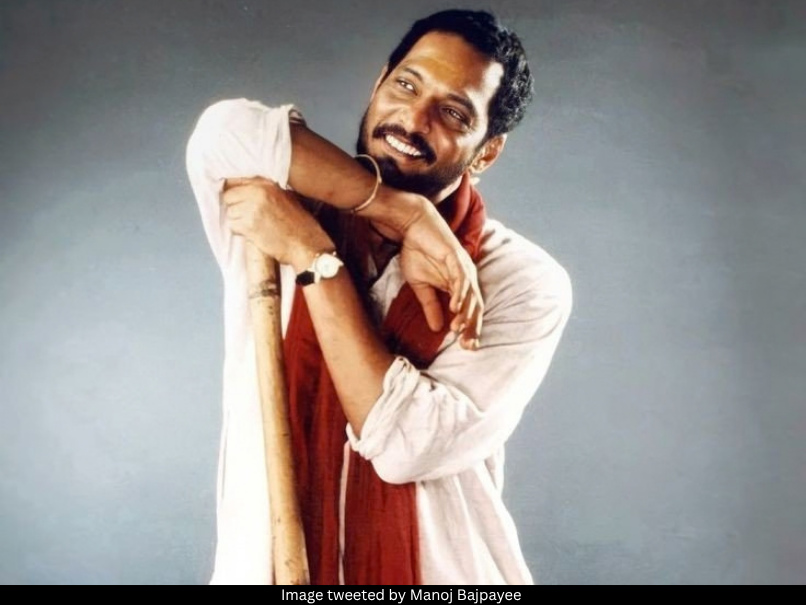
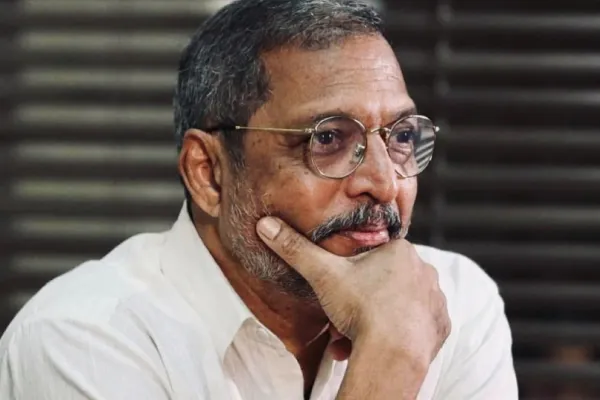
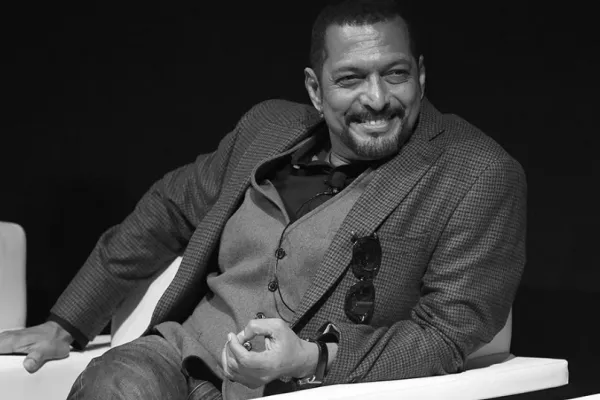
Nana Patekar could make a threat sound frighteningly ordinary. He could give a furious speech the force of an accusation, then turn a familiar gangster mannerism into a moment of comedy. His voice was instantly recognisable, but some of his most affecting work depended on what he did without it: the anxious gestures of a father, the watchfulness of a policeman, the wounded pride of an ageing actor. Across Hindi, Marathi and Tamil cinema, he gave characters sharply different ways of occupying the screen. The anger was memorable. So were the tenderness, restraint and vulnerability that lived alongside it.
Nana Patekar died in Goa on Thursday, October 8, at the age of 75. His son, Malhar, confirmed the news to The Indian Express, while Reuters reported that doctors could not revive him after he was found unconscious at home. Dr Shekhar Salkar of Manipal Hospital told ANI that he had suffered a cardiac arrest.
ALSO READ | Nana Patekar Dies At 75: Akshay Kumar, Riteish Deshmukh And Others Mourn Veteran Actor’s Demise
His three National Film Awards recognised performances in ‘Parinda’, ‘Krantiveer’ and ‘Agni Sakshi’. Yet the full measure of his career also lies in the roles that took him beyond those celebrated turns. These performances capture the breadth of an actor whose presence could change the temperature of a scene.
1. ‘Parinda’ - Anna Seth
Director: Vidhu Vinod Chopra | Released: November 3, 1989 | Main cast: Nana Patekar, Jackie Shroff, Anil Kapoor, Madhuri Dixit and Anupam Kher
Anna Seth remains one of Hindi cinema’s most unnerving gangsters. In Vidhu Vinod Chopra’s story of two brothers drawn into Mumbai’s underworld, Nana Patekar made the crime boss’s volatility feel dangerous even when he appeared to be in control. Anna’s fear of fire added a disturbing fracture to that authority: the man who terrorised others could himself be consumed by panic.
The performance earned Nana Patekar the National Film Award for Best Supporting Actor. Its lasting impact came from how completely Anna inhabited the film’s atmosphere of dread. His violence threatened the brothers’ lives, but his instability made every encounter with him uncertain. Nana Patekar gave the antagonist a frightening inner life, creating a character who stayed with viewers long after the story ended.
2. ‘Prahaar: The Final Attack’ - Major Chauhan
Director: Nana Patekar | Released: November 29, 1991 | Main cast: Nana Patekar, Gautam Joglekar, Madhuri Dixit and Dimple Kapadia
‘Prahaar’ gave Nana Patekar an unusually personal assignment: he wrote and directed the film as well as playing its formidable Army officer. Major Chauhan’s discipline initially defined him as a demanding commando instructor. When his trainee Peter D’Souza was killed after returning to civilian life, that certainty met a society unable – or unwilling – to protect its own people.
The role became more troubling as Major Chauhan carried his military understanding of duty into civilian injustice. Nana Patekar’s severity gave the first half its authority, while his anguish gave the later confrontation its emotional weight. The performance asked what happens when a man trained to confront an enemy finds brutality flourishing among the people he serves.
3. ‘Krantiveer’ - Pratap Narayan Tilak
Director: Mehul Kumar | Released: July 22, 1994 | Main cast: Nana Patekar, Dimple Kapadia, Atul Agnihotri, Mamta Kulkarni, Paresh Rawal and Danny Denzongpa
For many viewers, Pratap Narayan Tilak became the definitive Nana Patekar character: abrasive, outspoken and capable of turning frustration into a blistering public challenge. ‘Krantiveer’ followed a cynical man whose relationship with the world changes as he confronts communal violence, corruption and injustice. Nana Patekar gave that awakening the force of something breaking through years of indifference.
His performance won the National Film Award for Best Actor. The climactic address remains central to the film’s reputation, but Pratap’s journey gave the speech its foundation. Mehul Kumar said the character grew from a college friend who constantly complained about the country’s problems without acting on them. Nana Patekar made that contradiction vivid, then made the eventual call to action feel urgent.
4. ‘Agni Sakshi’ - Vishwanath
Director: Partho Ghosh | Released: March 1996 | Main cast: Nana Patekar, Manisha Koirala, Jackie Shroff and Divya Dutta
In ‘Agni Sakshi’, Nana Patekar brought fear into the most intimate of spaces. Vishwanath is an abusive, possessive husband whose reappearance threatens the new life his wife has built. His conviction that she belongs to him makes the character deeply disturbing: he treats control as an entitlement and refuses to recognise her freedom.
Nana Patekar’s performance won his second National Film Award for Best Supporting Actor, taking his overall tally to three. Vishwanath remains unforgettable because the danger came from someone who insisted on calling his behaviour love. Nana Patekar made the character’s self-justification as unsettling as his anger.
5. ‘Khamoshi: The Musical’ - Joseph Braganza
Director: Sanjay Leela Bhansali | Released: August 9, 1996 | Main cast: Nana Patekar, Manisha Koirala, Salman Khan, Seema Biswas and Helen
Released in the same year as ‘Agni Sakshi’, ‘Khamoshi’ offered a strikingly different portrait of attachment and fear. Nana Patekar played Joseph, the deaf father of Annie, a young woman drawn towards music and love. Joseph and his wife Flavy depend deeply on their daughter, and her growing independence threatens the enclosed world they have built around her.
The actor so closely associated with powerful dialogues had to express Joseph’s anxiety, affection and resistance through gesture, expression and physical presence. His fatherhood is loving but also fearful, making the conflict more complicated than a simple clash between a daughter’s dreams and an unreasonable parent. Joseph showed how much emotion Nana Patekar could communicate when his famous voice was taken out of the performance.
6. ‘Yeshwant’ - Inspector Yeshwant Lohar
Director: Anil Mattoo | Released: February 7, 1997 | Main cast: Nana Patekar, Madhoo, Atul Agnihotri, Mohan Joshi and Shafi Inamdar
‘Yeshwant’ channelled Nana Patekar’s intensity into an honest policeman whose battle with corruption also damages his private life. Framed for murder and imprisoned, Inspector Yeshwant Lohar later becomes consumed by suspicion about his wife. His anger may begin with the system, but the film lets it become destructive within his home too.
Nana Patekar’s presence carried the film through weaknesses in its writing, especially the character’s loudness and unreasonable behaviour. That tension helps explain the role’s staying power. Its famous “machhar” passage became inseparable from his commanding delivery, but Lohar also revealed how easily righteous anger could become personal cruelty. Nana Patekar made the character forceful enough to dominate the screen without making every action defensible.
7. ‘Ghulam-E-Mustafa’ - Mustafa
Director: Partho Ghosh | Released: October 31, 1997 | Main cast: Nana Patekar, Raveena Tandon, Paresh Rawal, Aruna Irani and Shivaji Satam.
Mustafa begins as an orphan raised by an underworld figure, accustomed to answering every problem with violence. After losing the woman he loves, he turns towards protecting an honest man’s threatened family. His gradual acceptance within that household becomes the emotional centre of ‘Ghulam-E-Mustafa’.
This was a very different role from Nana Patekar’s familiar image, with fewer of the anti-establishment tirades audiences expected from him. Here, remorse and the need to belong gave the performance its weight. Mustafa’s strength became meaningful through the people he chose to protect, and Nana Patekar made his search for redemption feel like an effort to build a life beyond the only one he had known.
8. ‘Ab Tak Chhappan’ - Sadhu Agashe
Director: Shimit Amin | Released: February 27, 2004 | Main cast: Nana Patekar, Revathi, Yashpal Sharma, Nakul Vaid and Mohan Agashe
Sadhu Agashe’s menace came from how little effort it appeared to require. In ‘Ab Tak Chhappan’, Nana Patekar played a Mumbai encounter specialist for whom killing has become part of the working day. The film placed police violence alongside colleagues, domestic routines and professional rivalries, making the ordinary surroundings increasingly uncomfortable.
Nana Patekar’s controlled performance was crucial to that effect. His eyes, body language and underplaying, all recognised a departure from his more demonstrative screen turns. Sadhu did not need to make a speech every time he asserted authority. His ease within this morally compromised world was what unsettled, making the role one of the clearest demonstrations of Nana Patekar’s capacity for restraint.
9. ‘Apaharan’ - Tabrez Alam
Director: Prakash Jha | Released: December 2, 2005 | Main cast: Nana Patekar, Ajay Devgn, Bipasha Basu, Yashpal Sharma and Mohan Agashe
Tabrez Alam represented power that made crime part of its machinery. In Prakash Jha’s drama about Bihar’s kidnapping industry, the political leader controls a network extending across criminal and institutional boundaries. Ajay Devgn’s aspiring policeman is drawn into that world, where Tabrez’s influence helps determine who rises and who remains expendable.
Nana Patekar gave the character an assured command of his surroundings, making his authority feel established long before he needed to demonstrate it. The performance earned the Filmfare Award for Best Villain. Tabrez’s importance within Nana Patekar’s gallery of antagonists lies in the scale of his control: this is a man whose criminal reach operates through the structures that should have restrained him.
10. ‘Taxi No. 9211’ - Raghav Shastri
Director: Milan Luthria | Released: February 24, 2006 | Main cast: Nana Patekar, John Abraham, Sonali Kulkarni and Sameera Reddy
Raghav Shastri brought Nana Patekar’s combustible energy into the pressures of an ordinary working life. The cab driver concealed his occupation from his wife and struggled with financial demands, until an encounter with a wealthy passenger sent an already difficult day spiralling. His pride kept making bad situations worse.
The role allowed irritation, wit, shame and affection to exist within the same man. Raghav’s clashes with John Abraham’s Jai exposed how differently two people can experience the same city, while his family relationships revealed what he fears losing. Nana Patekar made his abrasiveness recognisable without allowing it to become his entire personality. Beneath the arguments was a man whose need to preserve his dignity had become painfully entangled with his mistakes.
11. ‘Welcome’ - Uday Shetty
Director: Anees Bazmee | Released: December 21, 2007 | Main cast: Nana Patekar, Anil Kapoor, Akshay Kumar, Katrina Kaif, Paresh Rawal, Feroz Khan and Mallika Sherawat
Uday Shetty gave Nana Patekar’s gangster persona an entirely different afterlife. In ‘Welcome’, the don wants a respectable marriage for his sister and harbours acting ambitions of his own. His criminal reputation keeps colliding with these domestic and professional aspirations, with Anil Kapoor’s Majnu Bhai contributing another unpredictable presence.
Nana Patekar’s timing makes Uday’s attempts at composure wonderfully revealing. His exasperation and earnestness work because the character takes his dilemmas seriously, however absurd they become. The performance introduced another generation of viewers to him through comedy, and Uday’s repeated efforts to control himself became enduring popular-culture references.
12. ‘Raajneeti’ - Brij Gopal
Director: Prakash Jha | Released: June 4, 2010 | Main cast: Nana Patekar, Ranbir Kapoor, Ajay Devgn, Katrina Kaif, Arjun Rampal and Manoj Bajpayee
Brij Gopal rarely needs to stand at the centre of the spectacle to influence it. In ‘Raajneeti’, he guides members of a political family through an increasingly brutal struggle for power. The film’s Mahabharata parallels position him as a Krishna-like strategist, watching the contest while helping shape its course.
Nana Patekar gave that watchfulness authority. Brij’s measured advice and understanding of political calculation make him a different kind of powerful figure from the more openly threatening Tabrez Alam. His importance lies in knowing when to intervene, whom to guide and what the pursuit of victory will demand. Within a crowded ensemble, Nana Patekar made quiet counsel carry consequences.
13. ‘Dr. Prakash Baba Amte – The Real Hero’ - Dr. Prakash Amte
Director: Samruddhi Porey | Released: October 10, 2014 | Main cast: Nana Patekar, Sonali Kulkarni and Mohan Agashe
This Marathi biopic placed Nana Patekar within a life defined by service. Playing physician and social worker Prakash Amte, he portrayed the commitment behind the work at Hemalkasa, with Sonali Kulkarni as Mandakini Amte. The film also makes room for the couple’s companionship and everyday experiences alongside their humanitarian efforts.
Nana Patekar’s warmth gave the portrait its human scale. His character’s strength emerged through patience, conviction and sustained care, qualities that required a different register from the aggression associated with many of his Hindi roles. This performance is essential to a tribute about his range because it shows how convincingly he could make gentleness the source of a character’s authority.
14. ‘Kaala’ - Haridev ‘Hari Dada’ Abhayankar
Director: Pa. Ranjith | Released: June 7, 2018 | Main cast: Rajinikanth, Nana Patekar, Easwari Rao, Huma Qureshi and Samuthirakani
In ‘Kaala’, Nana Patekar’s politician-landlord antagonist confronts Rajinikanth’s Dharavi leader over land, belonging and power. Hari Dada’s immaculate white clothes and claims to order conceal the coercion behind his ambitions. His contempt for the community he seeks to displace makes the conflict deeply personal as well as political.
Nana Patekar gave the character a commanding certainty that made his meetings with Rajinikanth feel like collisions between two incompatible understandings of the world. This Tamil film performance showed his ability to enter another star’s cinematic territory and provide an antagonist substantial enough to sharpen the drama around him.
15. ‘Natsamrat’ - Ganpatrao ‘Appa’ Belwalkar
Director: Mahesh Manjrekar | Released: January 1, 2016 | Main cast: Nana Patekar, Medha Manjrekar, Vikram Gokhale, Mrunmayee Deshpande and Sunil Barve
An ageing theatre legend who has surrendered the stage but cannot shed its language, Appa Belwalkar gave Nana Patekar a character of enormous pride and devastating vulnerability. Adapted from Kusumagraj’s celebrated Marathi play, ‘Natsamrat’ followed a retired actor whose family relationships unravel, leaving him and his wife struggling to find security and dignity.
Nana Patekar moved through wit, affection, resentment and grief, allowing the grandeur of the performer to coexist with the frailty of the man. His scenes with Medha Manjrekar and Vikram Gokhale made those losses feel intimate. The role gathered so many of his gifts into one performance: the voice, the command, the sudden shifts of feeling and the ability to make wounded pride visible. It is a fitting place to return to him – playing a man for whom acting remains a way of making sense of life, even when life has become unbearably cruel.